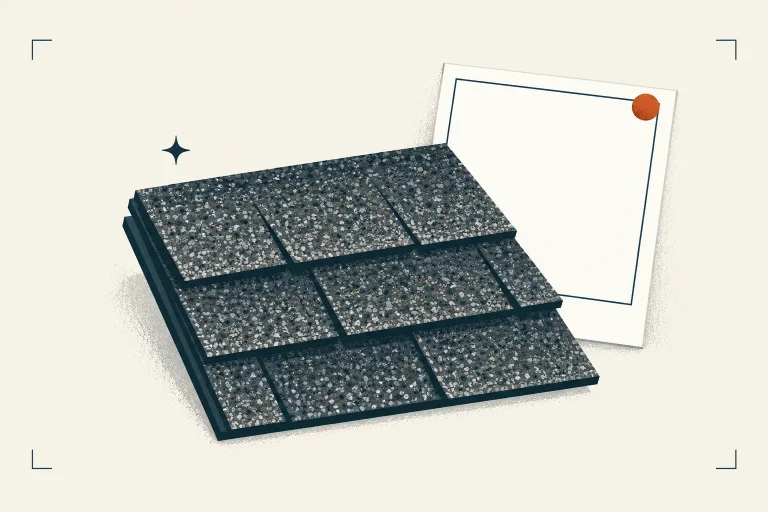
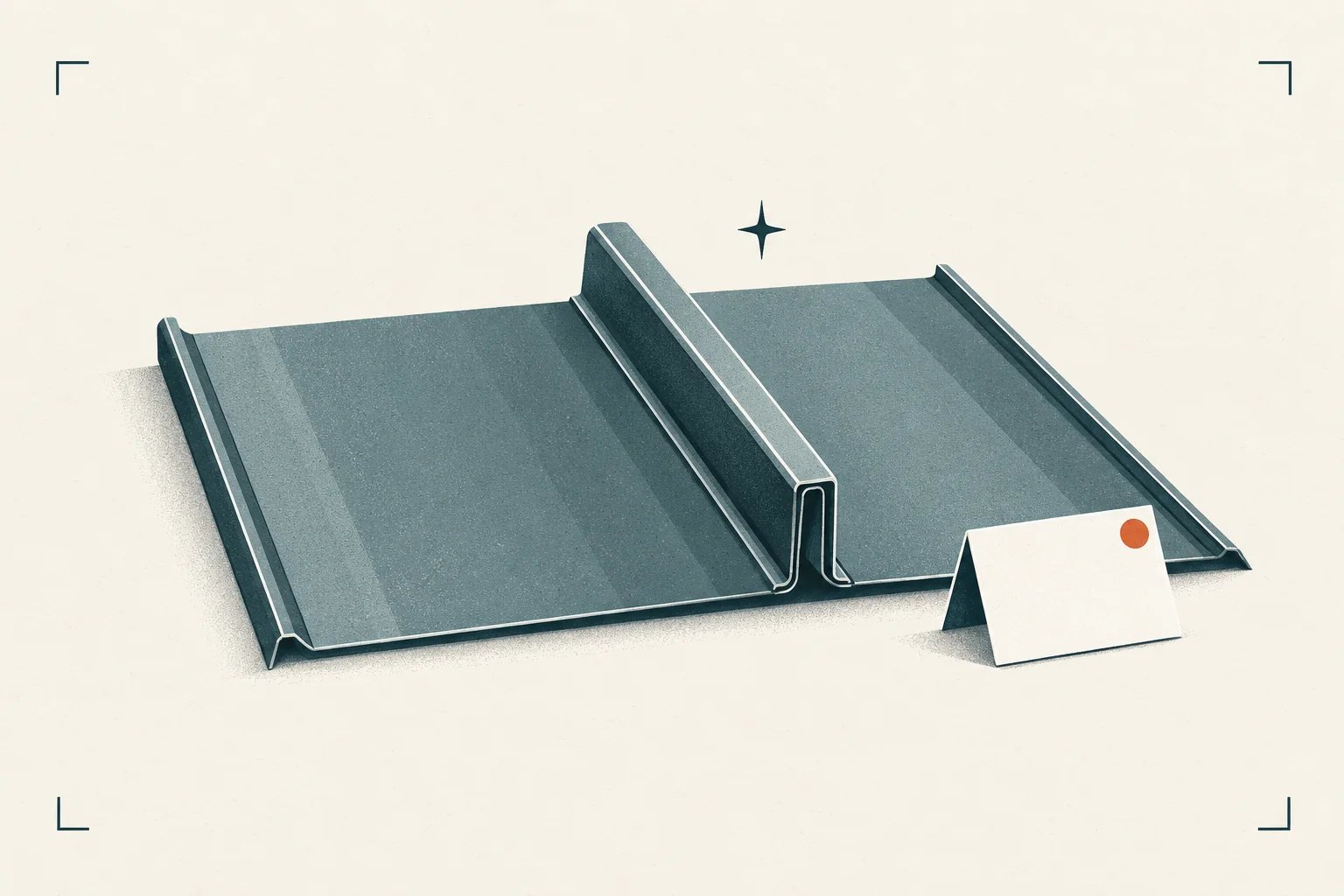
A metal roof is not one standard assembly. A standing-seam roof with concealed clips, a through-fastened exposed-screw panel and a metal-shingle system have different joints, movement details and inspection priorities. The first step is to identify the system; the second is to document how its panels, edges and penetrations are managing water and movement.
A useful inspection does not stop at dents or surface appearance. It ties observations to locations, records access limits and distinguishes a cosmetic change from a condition that may affect attachment, drainage or weather resistance.
Keep off the metal roof
Metal panels can be exceptionally slippery, especially with rain, frost, dust or biological growth. Panel profiles, unsupported areas, skylights and concealed deterioration add hazards, and foot traffic can dent finishes or damage seams. Homeowners should inspect only from stable ground, a safe window or another normal vantage point.
Qualified professionals should plan access and fall protection for the specific roof. A report based on ground, drone or pole-camera views can still be valuable if it states the limitations instead of implying that every seam and fastener was touched or tested.
Identify the metal-roof system
Ask the inspector to record:
- standing-seam, through-fastened, metal-shingle or other configuration;
- panel profile, visible seam type and orientation;
- exposed versus concealed fastening where determinable;
- finish or coating information from records, if available;
- roof planes, slope and drainage routes;
- valleys, hips, ridges, eaves, rakes and transitions;
- snow-retention, solar or other attached systems; and
- installation date, repairs, warranties and maintenance records supplied by the owner.
Avoid guessing the exact alloy, coating or attachment pattern from color and distance. Concealed clips, fasteners, sealant and underlayment may require drawings, installer records or a different investigation.
Panels and seams
The Metal Construction Association’s installation-manual checklist emphasizes panels and seams because seams provide critical weather integrity in a metal-panel system. Depending on the roof, an inspection may document:
- open, bent, loose or visibly damaged seams;
- loose seam caps or closures;
- open or improper-looking laps;
- panel displacement or distortion;
- punctures and abrupt impact damage;
- debris and vegetation retention;
- surface-finish damage; and
- areas where movement appears restricted or concentrated.
Oil canning—visible waviness in flat metal areas—can be aesthetic and can have multiple design, fabrication and installation influences. It should not automatically be labeled a leak or structural failure. Conversely, a small opening at a seam or transition may deserve prompt evaluation even when most panels look clean.
Fasteners and clips
On exposed-fastener roofs, the inspection should map missing, loose, backed-out, tilted, corroded or visibly overdriven fasteners and the condition of washers or gaskets where visible. Repeated sealant dabs may signal prior maintenance but do not reveal the condition of every hole.
Standing-seam clips and many fasteners are concealed. The inspector should not claim to verify them without access to the detail, records or authorized opening. Signs such as panel movement, seam change or edge distress can justify further evaluation, but they are not a view of the hidden connection.
Fastener material and compatibility matter in metal construction. Do not replace a screw or apply a sealant based only on appearance; system manufacturer requirements, panel material, substrate and hole condition affect the repair choice.
Coatings, corrosion and dissimilar materials
Record scratches, chalking, fading, peeling, bare metal, surface rust, corrosion at cut edges and concentrated deterioration near runoff or attachments. The location and depth matter more than the word “rust.” Surface staining may differ from section loss or perforation.
Contact between dissimilar metals, treated materials, wet debris or incompatible runoff can contribute to localized corrosion in some assemblies. A qualified metal-roof professional or manufacturer should evaluate compatibility; do not diagnose it remotely from color alone.
Coating weathering can be gradual. Abrupt scraping, denting or puncture may have a different history. The roof damage versus normal wear and aging guide explains how dates, distribution and baseline photos help separate those questions.
Flashings, penetrations and movement points
Metal changes dimension with temperature. A system should accommodate movement at panel ends, clips, curbs, penetrations and transitions according to its design. Inspection areas commonly include:
- ridge, hip, eave and rake flashings;
- valleys and end laps;
- chimneys, walls and parapet transitions;
- plumbing and exhaust penetrations;
- skylight and equipment curbs;
- sealants, closures and boots;
- gutters, scuppers and downspouts; and
- solar, snow guard and antenna attachments.
Ask for photos that show the entire detail and a close view. A bead of sealant is not proof that a joint is properly designed, and cracked sealant is not proof that it is the only leak route.
Wind, hail and debris observations
IBHS explains that wind failure of metal roof cover can expose a large deck area when panels are lifted or removed. A wind-damage roof inspection should therefore address panel edges, perimeter securement, seams, flashings, debris impact and interior water evidence.
Hail can dent metal. IBHS notes that dents may be aesthetic and that dents alone do not necessarily establish functional impairment. Inspect seams, coatings, attachments and weather performance separately, and consider panel type and the exact impact location. A puncture, opened seam or displaced component is different from a shallow cosmetic dent.
Interior and underside evidence
Where safely accessible, attic or interior observations may reveal:
- active water or water tracks;
- underside corrosion or condensation;
- wet insulation or decking;
- daylight at openings;
- changed fasteners or attachments; and
- framing distress that requires structural evaluation.
Metal can conduct heat rapidly, and some assemblies contain concealed insulation, vapor-control and condensation layers. An interior moisture pattern does not by itself prove an exterior leak or identify the entry point. The inspection should preserve alternate explanations until evidence narrows them.
What the report should include
- roof-system and panel-type description;
- methods, weather and access limits;
- location-keyed overview and detail photos;
- panel, seam, fastener, edge, coating and penetration observations;
- drainage and debris conditions;
- interior or underside context where included;
- concealed components not verified;
- urgency tied to a specific condition; and
- the recommended next professional or test.
Use how to read a roof inspection report to distinguish observation, implication and recommendation. If a repair is proposed, ask whether it follows the panel manufacturer’s current details and whether removing material could reveal a larger scope.
When to request a metal-roof specialist
Specialized evaluation is useful for open or changed seams, recurrent leaks, widespread fastener issues, corrosion with possible material loss, wind displacement, complex penetration details, unfamiliar panel systems or a repair proposal that does not identify the existing assembly.
Sources and editorial notes
- Metal Construction Association: Metal Roof Installation Manual, system components, fasteners, sealants and inspection-checklist context; accessed October 17, 2026.
- MCA Metal Roof Installation Manual PDF, panel/seam and installer checklist details; accessed October 17, 2026.
- IBHS: Natural Weathering and Hazard Exposure, metal-roof wind and hail behavior; accessed October 17, 2026.
- InterNACHI Home Inspection Standards of Practice, visible roof-system scope and limitations; accessed October 17, 2026.
Editorial boundary: This field guide does not direct roof access or repair, identify a proprietary system from an image, determine structural adequacy, or decide warranty or insurance responsibility.