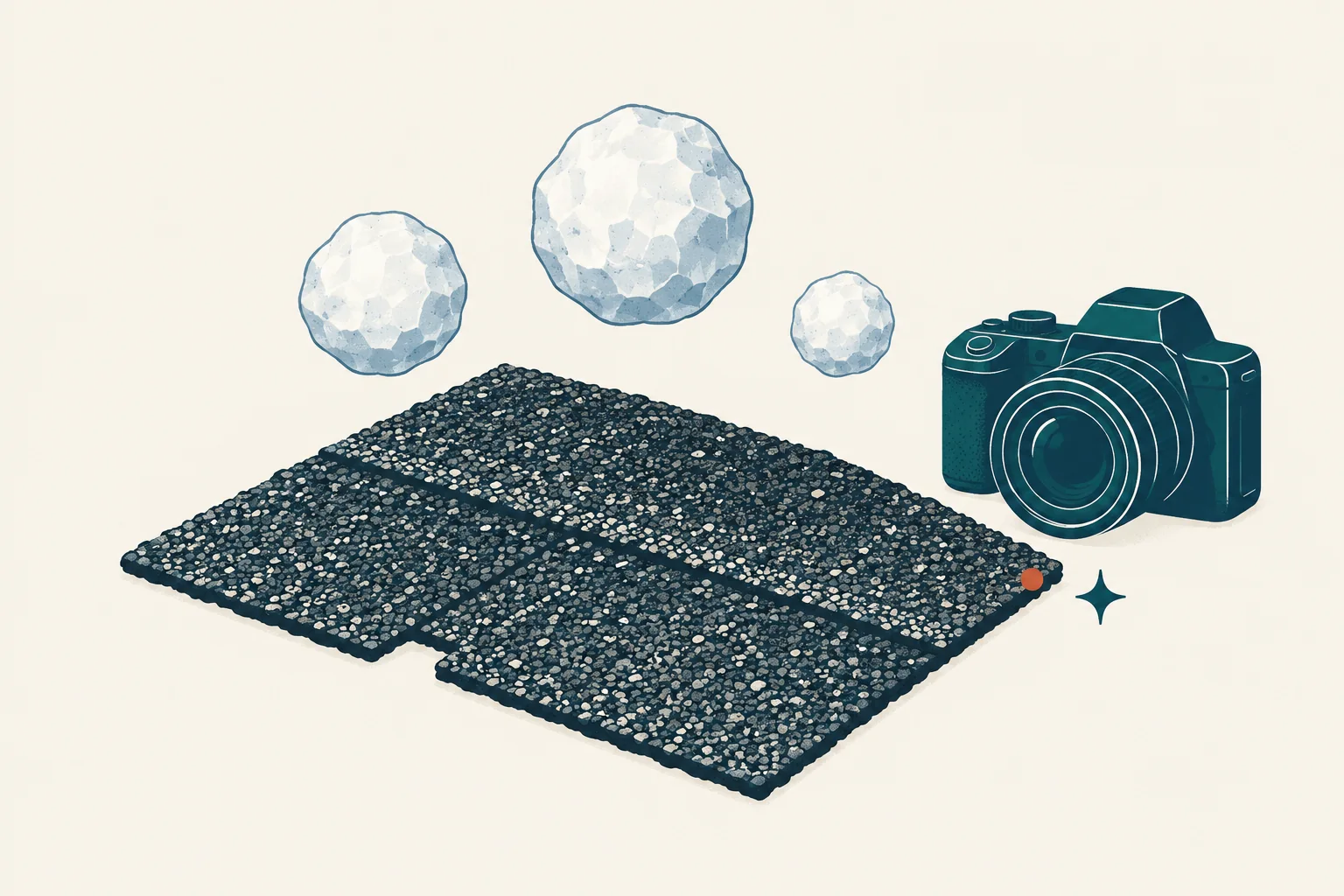
Hail does not produce one universal mark. The result depends on hail size, hardness, wind, impact angle, roof material, support below the covering, age and prior condition. A credible inspection evaluates patterns and context; it does not label every dark spot “hail damage.”
Stay off the roof
Wait until the storm has passed, avoid downed lines and damaged trees, and document from stable ground. Wet coverings, loose debris and concealed damage make homeowner roof access unsafe. Use a qualified professional for close inspection.
Build event context
Record the date/time, address, weather alerts, hail observed at the property, approximate size only if safely measured, wind direction, photos taken during/after the event and when interior water appeared. A weather report near the property provides context but does not alone establish damage to your roof.
Photograph collateral surfaces such as metal vents, gutters, siding, screens, fencing and outdoor equipment. These can help establish a pattern, but different materials respond differently.
Material-specific observations
Asphalt shingles
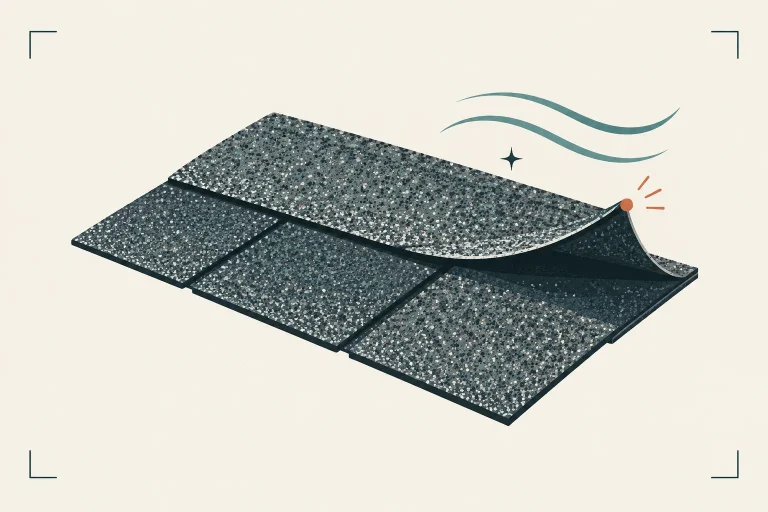
IBHS research identifies three hail-related damage modes in asphalt shingles: deformation, granule displacement and breach or tearing. Severity varies by product and hail. Granule loss can also result from aging, foot traffic, manufacturing variation or other wear, so a close-up without pattern and context is weak evidence.
Tile
Large hail may crack or shatter tile, with response affected by material, thickness and impact location. Existing cracks, footfall damage and installation stresses can resemble storm effects.
Metal
Hail can dent metal. IBHS notes that dents may be aesthetic and that current evidence does not show dents alone necessarily impair functionality. Seams, coatings, fasteners, penetrations and water-shedding performance require separate evaluation.
Other coverings
Wood, slate, composite and low-slope membranes have distinct failure modes. Use an inspector experienced with the installed material rather than transferring asphalt-shingle rules to every roof.
What the inspector should document
- methods and areas viewed;
- roof material, approximate age source and prior repairs;
- test areas or sampling method, if used;
- wide roof-plane photos and close details;
- location and distribution of each condition;
- collateral and undamaged reference areas;
- interior/attic evidence where safely accessible;
- limitations such as height, slope, wet surface or concealed layers; and
- recommendations for further evaluation or repair.
Ask the inspector to distinguish observation (“circular granule displacement at marked locations”) from cause opinion and from coverage. The insurer applies the policy.
Common false positives
- blistering or manufacturing marks;
- ordinary granule loss and aging;
- foot traffic or tool damage;
- tree abrasion or fallen debris;
- old repairs;
- heat and UV deterioration;
- mechanical dents; and
- low-resolution or tightly cropped photos without location.
IBHS’s laboratory program uses controlled manufactured hail, defined impact locations and expert/quantitative evaluation. That rigor is a reminder that a generic photo cannot reproduce a material-specific assessment.
After the inspection
Keep original photos, report, event timeline, estimates and receipts. If filing a claim, contact the insurer for deadlines and requested documentation. NAIC guidance recommends photos/video, repair receipts and prompt communication. Do not authorize permanent work or discard evidence before understanding the process, except where safety or health requires action.
Compare contractor scopes against the same documented locations. If opinions differ, ask which observations and assumptions produce the disagreement.
Impact-resistant does not mean impact-proof
Ratings compare performance under a test protocol; they do not guarantee that a product will survive every natural storm. IBHS explicitly frames its ratings as relative performance under controlled testing. Record the exact installed product and warranty rather than relying on a generic “Class 4” description.
Related guide: Preserve dates, locations, and original files with the storm-damage documentation workflow.
Sources
- IBHS: Hail and How It Damages Roofs, material-specific damage modes; accessed October 17, 2026.
- IBHS relative hail impact resistance research, field/laboratory method and rating context; accessed October 17, 2026.
- NAIC homeowners claim guidance, photos, records and insurer communication; accessed October 17, 2026.
This article provides general education and does not determine hail causation, storm date or insurance coverage for a property.