Yes, many are legitimate—but “free inspection” usually means a contractor is evaluating the roof as part of an opportunity to sell repair or replacement work. That is not inherently dishonest. It is a different service, with a different incentive, from a paid inspection by someone who does not sell the recommended work.
The safest approach is to understand the deliverable before anyone arrives, verify the company, and avoid signing under pressure.
Ask what “free” includes
Before scheduling, ask:
- Is this an inspection, a repair estimate, or both?
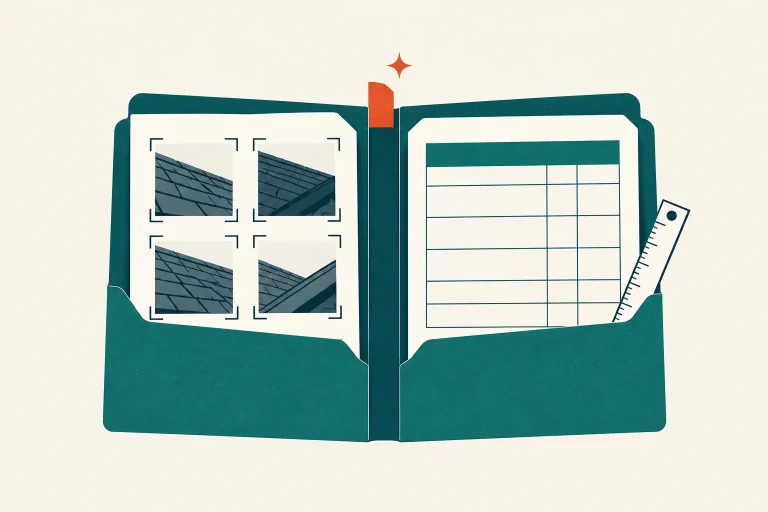
- Will I receive a written report with dated photos and locations?
- Which roof, attic and interior areas are included?
- What access method will be used?
- Does the company sell the work it recommends?
- Will I owe anything if I do not hire the company?
- Am I authorizing only an evaluation, or also an insurance-related agreement or repair contract?
A legitimate company should answer plainly. “We provide a no-cost sales assessment and written estimate” is clearer than presenting a sales visit as an independent certification.
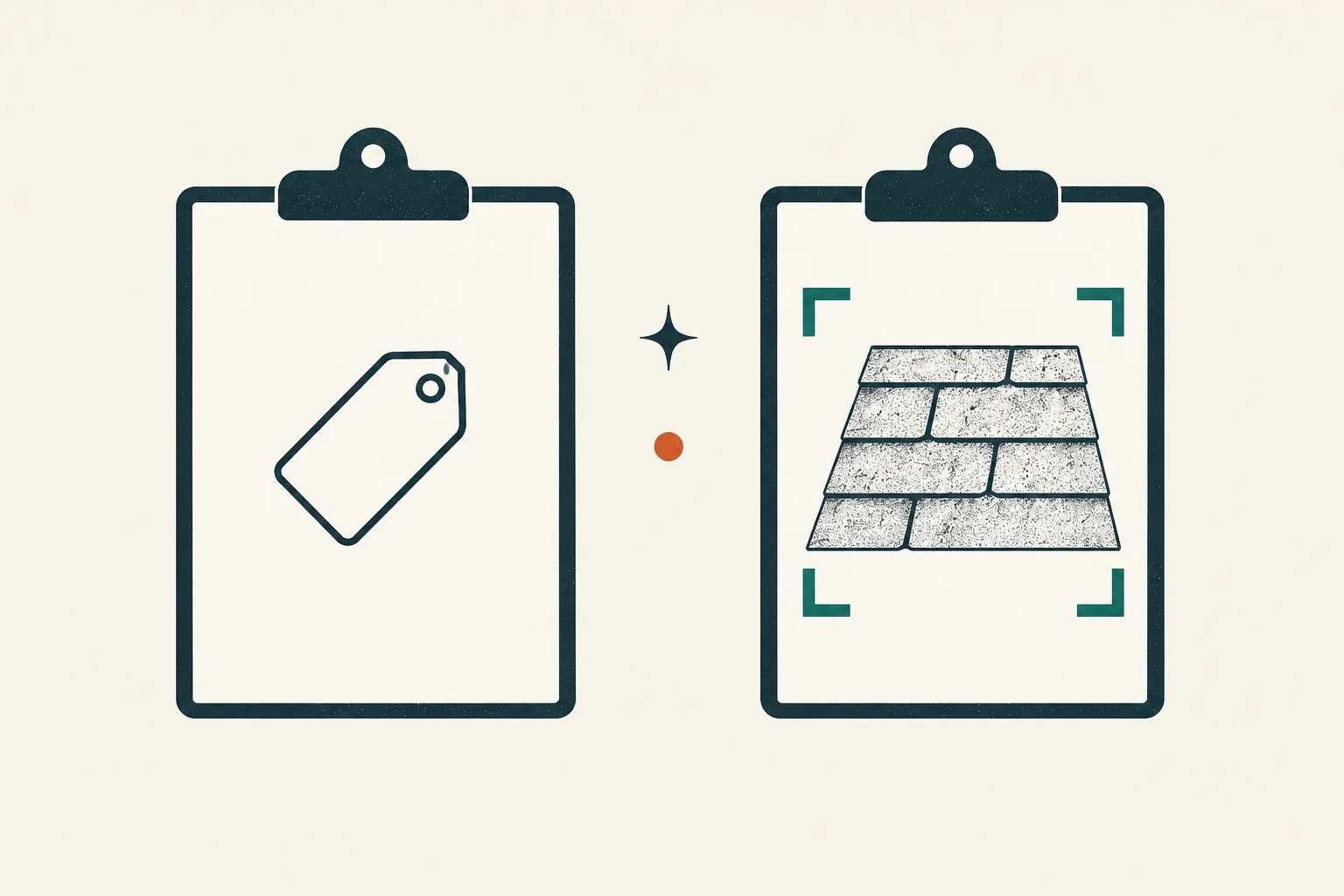
Free contractor visit vs. independent inspection
| Question | Free contractor assessment | Independent paid inspection |
|---|---|---|
| Primary purpose | Identify work the company may perform | Document condition within an agreed scope |
| Revenue source | Repair or replacement sale | Inspection fee |
| Typical deliverable | Estimate, photos, proposed scope | Condition report, limitations and recommendations |
| Useful when | You already know you need a repair proposal | Cause, extent or a costly recommendation is uncertain |
Either can be useful. A contractor may have deep installation knowledge, while an independent inspector may reduce the incentive to recommend work. Neither role automatically guarantees accuracy.
Red flags after a storm
The Federal Trade Commission warns that repair scammers often appear after floods, windstorms and other disasters. Pause if someone:
- knocks unexpectedly and demands an immediate decision;
- claims licensing or insurance is unnecessary;
- promises your insurer will pay;
- asks you to sign over an insurance check;
- requests full payment upfront or payment by cash, wire, gift card, app or cryptocurrency;
- offers a discount that expires immediately;
- leaves blanks in the contract; or
- refuses to provide identity, license, insurance and terms in writing.
The FTC recommends checking licensing and insurance, obtaining multiple written estimates and reviewing a written contract before work starts.
What a useful free visit looks like
A credible contractor explains the safe access method, photographs identifiable locations, distinguishes observed conditions from suspected causes, and provides an itemized proposed scope. The estimate should identify materials, labor, permits where applicable, cleanup, timing, payment schedule, warranties and exclusions.
It should not turn an ambiguous photo into a guaranteed insurance outcome. Coverage belongs to the policy and insurer, not the contractor.
When to get a second opinion
Consider an independent inspection when:
- the recommended work is expensive or unexpectedly broad;
- two contractors disagree on cause or scope;
- no active leak exists but replacement is urged immediately;
- structural movement or recurring water is involved;
- the photos do not show location or context; or
- you need evidence for a purchase, sale or dispute.
InterNACHI’s standards describe a general home inspection as a non-invasive visual examination and state that inspectors are not required to walk an unsafe roof, predict service life or certify it. Ask any inspector which standard and limitations apply to their actual service.
Screen the company before the visit
Verify state or local licensing requirements with the government agency—not a badge on a website. Ask for an insurance certificate and verify it with the issuer. Search the business name with “complaint” or “scam,” request local references, and compare more than one written scope.
Bottom line
A free roof inspection can be a legitimate way to obtain a contractor’s assessment and estimate. Treat it as a sales-connected service unless the provider clearly proves otherwise. Define the deliverable, verify the company, keep control of insurance decisions and seek independent evidence when the stakes justify it.
Related guide: Compare the incentive and deliverable differences in our independent roof inspector vs. roofing contractor guide.
Sources
- FTC: Home Repair Scams, screening and payment warnings; accessed October 17, 2026.
- FTC: Avoid Scams After Weather Emergencies, contractor and contract guidance; accessed October 17, 2026.
- InterNACHI Standards of Practice, inspection scope and limitations; accessed October 17, 2026.